Shoulder and topside suit quite different kinds of service. Lamb shoulder is a slow-cooking cut used for roasting and stews, so it works for sharing platters, pulled lamb and braised dishes. Lamb topside is a small, lean boneless cut from the top of the leg, sold as a mini roast, which suits carved, plated portions. Choose on your service format, kitchen capacity and portion consistency.
Decide the service format first
Before you look at cuts, picture the room. Are plates going out from the pass at the same moment, or are guests coming to a buffet across an hour? Is the lamb carved in front of people, or portioned in the kitchen? Is a chef on site for the whole event, or is the food finished and handed over?
That narrows the choice quickly. Plan the preparation and service stages, including any holding needed under your food safety procedures. A carving station needs staff and space at the point of service; a plated braise needs a clear portioning and plating plan. Settle those before you choose the cut.
Shoulder for slow-cooked menu items
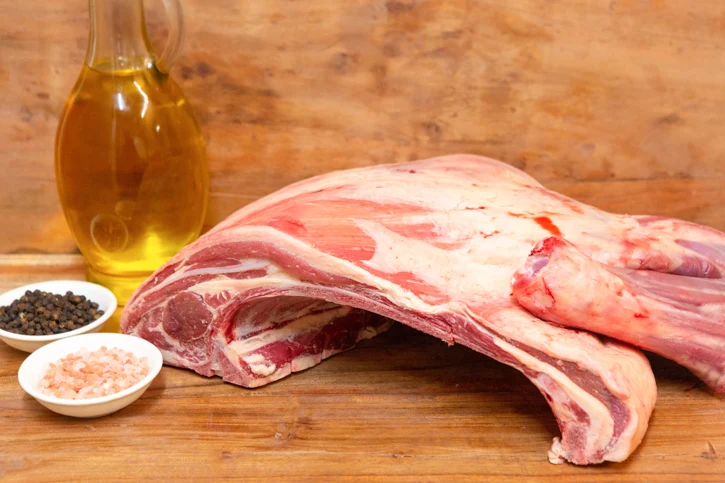
Shoulder is a slow-roasting and stewing cut, and New Zealand Spring Lamb’s recipes for lamb shoulder show it cooked both ways. On a function menu that points to shared platters, pulled lamb for rolls or bao, a braised main with a sauce, or a filling for pies and pastries.
For a shoulder dish, decide early whether you’re serving defined pieces, pulled meat or a plated braise, and plan how the team will portion it consistently. If guest numbers move, recalculate the meat quantity and agree any menu changes with the organiser before you confirm the order.
Our NZ Lamb Shoulder Roast is in our range. Ask us to confirm the bone status, trim and format for the product you’re ordering rather than assuming it, because those affect your handling, your storage space and the yield your team works with.
Topside for carved, plated portions
Beef + Lamb New Zealand describes lamb topside as a relatively small boneless cut from the top of the leg, with little fat, used as a mini roast. Its guide to cooking lamb topside is a good reference point for what the cut is.
For catering, that shape is the attraction. Think about a small boneless roast when you want carved slices for a plated main, and trial the presentation with your team first. Individual roasts vary in weight, so don’t plan on every piece giving the same number of slices. Weigh what arrives and portion by weight if consistency matters to the client.
Our NZ Lamb Topside Mini Roast is listed in our trade range. Talk to us about the quantities and preparation you need for your catering order.
The two cuts side by side
Lamb shoulder and lamb topside mini roast for function menus
Scroll sideways to compare →
Lamb shoulder and lamb topside mini roast for function menus
Consider
Lamb shoulder
Lamb topside mini roast
Menu use
Slow roasting and stews, pulled or braised service.
Roasted and carved as a small boneless joint.
Service format
Buffet, shared platters or a plated braise, with a planned service procedure.
Plated mains and carving stations with a chef present.
Kitchen demand
Plan oven or pot capacity alongside portioning and service labour.
Plan oven capacity alongside carving and plating labour.
Confirm with us
Bone status, trim, piece size and pack format.
Format, piece weight range and how it is packed.
Portion consistency
Portion by weight after cooking and shredding.
Weigh each roast, then carve to a set slice weight.
Measure your own cooked yield
Whichever you choose, the number worth having comes out of your own kitchen. Weigh the product raw, weigh it after trimming, weigh the cooked result, then count the portions you served. Note the date and the batch so you can compare across a few events rather than trusting one run.
Don’t carry a yield figure across from another cut, another supplier or a home recipe. Your trim level, your equipment and your portion size all change it.
Bring this to your catering enquiry
A short list makes the first conversation much more productive. Send us:
The event date, the guest numbers and how firm they are.
The service format: plated, buffet, carving station or handover.
The cut and preparation you want, including trim and piece size.
Your delivery address and the days that work for you.
Your chilled and frozen storage space on site.
Who will confirm final numbers, and by when.
We deliver nationwide, so get in touch with our team with those details and we can talk through the cuts, preparation and packing for your event. Our guide to planning order quantities covers the volume side of the same job.
Check that with us for the specific product before you build a menu around it. Both formats are used in catering kitchens, and the difference affects your trimming, your storage space, your handling and the yield you get. Confirm it in writing alongside the trim and piece size you want.
Work from your target cooked portion and the yield you measure on the roasts you receive. Weigh them, prepare and carve them as you will on the day, then count the usable portions. Record the variation between pieces so you can plan quantities with a realistic range.
You could pair a slow-cooked shoulder dish with a carved topside option. Check how both fit your oven and pot capacity, staffing, storage and service plan, and schedule the batches together so each dish is ready for its agreed service time.