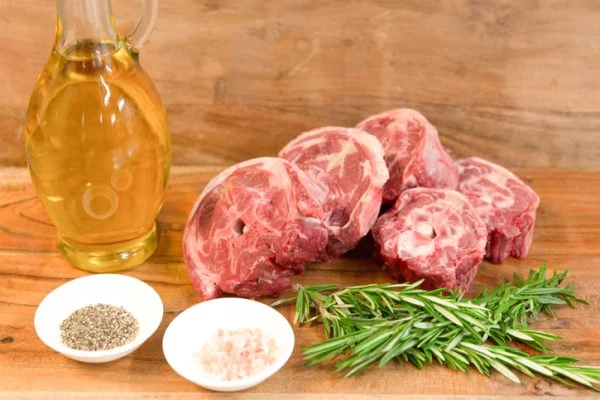
Lamb0005606
NZ Lamb Neck Chops
Slow braises, lamb stews and one-pot specials
View product : NZ Lamb Neck ChopsTrade accounts for business kitchens
LOCAL PREVIEW · Test orders only · No payments or emails
Sample copy for the Prestons team to review. Pack, size and preparation options are illustrative; worked portions are planning examples.
PRESTON FOODS · TRADE RANGE
Product code 0005505
New to Preston Foods? Ask about a trade account.
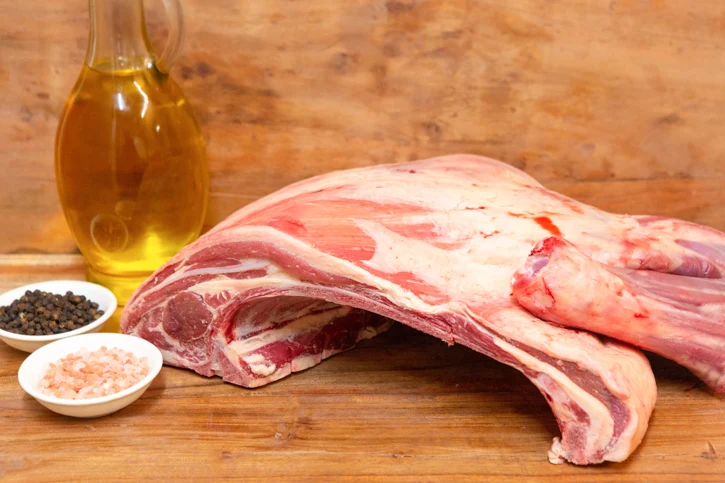
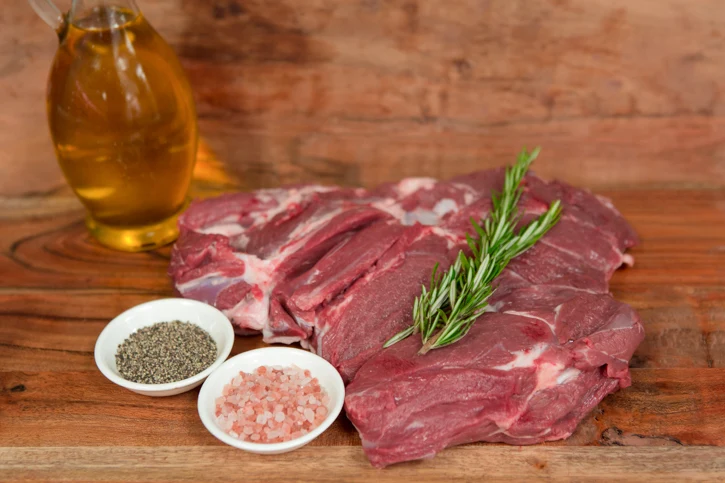
Product photo from Preston’s Master Butchers. Cut and presentation may vary.
Lamb shoulder needs time in the oven, but there’s a good Sunday roast at the end of it. This bone-in NZ cut suits a long, slow cook, with the meat carved for a roast plate or cooked until it pulls apart for a shared dish.
Carving and pulling give you different portions, so trial the way you intend to serve it. Once the bone and any unused fat are out, weigh the meat you’ll actually put on the plate. That’s the yield to use when you cost the dish and plan the next order.
A FEW THINGS WORTH KNOWING
Practical details to help you plan your menu and talk through your order.
Plan a new schedule. Shoulder is suited to a longer cook; topside is a smaller carving roast suited to a faster method. A substitution can change both the oven use and the style of the finished dish.
Give us the number of joints and the preferred weight range per joint, then the total kilograms you’re budgeting for. “10 kg of shoulder” does not say whether you need a few large roasts or more smaller ones. Available sizes need confirming.
Plan the cooking, cooling, storage and reheating through your business’s food control plan. Use the pack instructions and record the batch details. There is no single extra shelf life to apply just because the shoulder has been cooked.
Request kilograms in 0.5 kg steps; this is not a pack size or minimum order. We’ll confirm packing, final weights and delivery charges with you. See how to order.
This local preview saves test orders only and takes no payment. Delivery is confirmed separately.
Follow the storage instructions and use-by date on the pack, and keep raw meat separate from ready-to-eat food. Plan opened packs and any thawing through your kitchen’s food control plan. Keep the product label or specification with your records so ingredient and allergen information stays with the batch.
Lamb0005606
Slow braises, lamb stews and one-pot specials
View product : NZ Lamb Neck ChopsTrade accounts for business kitchens
Lamb0005706
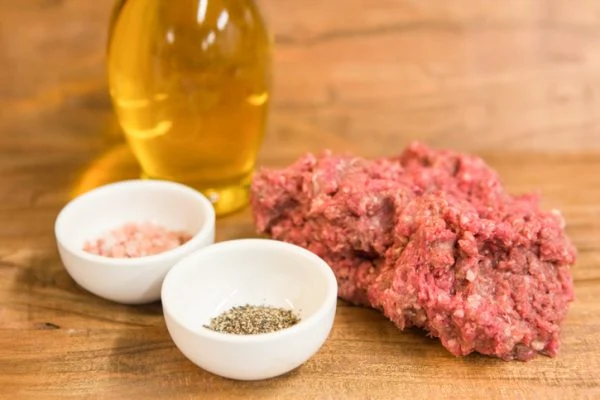
Shepherd’s pie, kofta, meatballs and lamb burgers
View product : NZ Lamb MinceTrade accounts for business kitchens
Lamb0005203
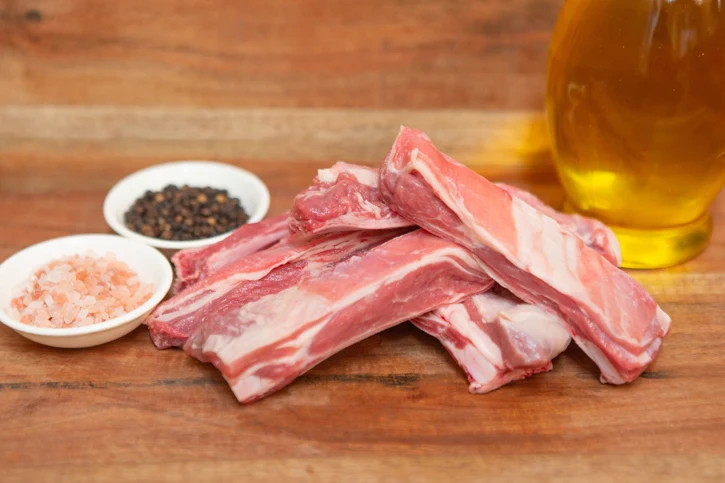
Slow-cooked ribs, glazed specials and shared platters
View product : NZ Lamb Spare RibsTrade accounts for business kitchens
Lamb0005302
Barbecues, shared lamb platters and catered roasts
View product : NZ Lamb Butterflied LegTrade accounts for business kitchens