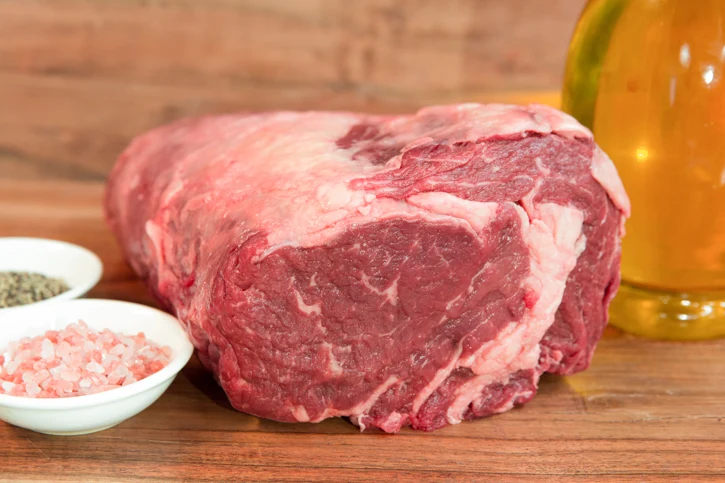
Choose the cut around the dish you're selling and how you want it to eat. Eye fillet is the usual choice when tenderness matters most. Scotch fillet brings marbling and a richer result. Sirloin gives a firmer bite and an outside fat edge to work with. From there, it comes down to your portion specification, the preparation your team can manage and the cost per serve.
How the three cuts differ
Steak cuts: a starting point for your menu discussion
Scroll sideways to compare →
Steak cuts: a starting point for your menu discussion
Cut
What to consider
Where it might fit on a menu
Eye fillet
Tenderness is its main draw. Specify the portion shape and trimming you need.
A plated steak dish where tenderness is the priority.
Scotch fillet
A boneless rib-eye cut with marbling and internal fat.
A steak-focused menu where a richer eating quality is part of the appeal.
Sirloin
A more pronounced bite, with an outside fat edge to account for in the trim.
Think about the whole plate first. Is the steak the centre of the meal, one course in a set menu, or sliced and served through other ingredients? That settles what your customer is buying and what the kitchen has to deliver the same way every service.
Then talk raw weight, thickness, trimming and presentation with your butcher. Equal-weight portions can look quite different when their shape differs, so a written specification is the easiest way to describe the result you want, including the variation that would make the dish awkward to plate.
Trial the options with the same kitchen process
If you are considering a change, trial the options with the team who will prepare and serve them, working to your established food safety procedures and keeping everything else constant. Record the bench time, the usable portions, the finished presentation and the feedback from everyone tasting the dish. A short tasting sheet is enough:
Does the texture suit the dish?
Does the fat profile work with the sauce and sides?
Can the team hit the portion consistently under pressure?
Does the plate live up to the menu description?
What does the usable portion cost under your normal costing method?
That gives you evidence from your own kitchen, which beats choosing a cut on its name.
Check the preparation format as well as the cut
A whole piece and a portion-cut product make very different demands on the prep bench. If your kitchen buys a whole scotch fillet or a half scotch fillet, allow for the work of getting from that piece to your agreed portions; our cost-per-serve guide shows how to bring usable yield and labour into the numbers.
Ask about the preparation, packaging and quantities available for whichever product you settle on, and check the product paperwork before you put origin or other claims on the menu.
Write the decision down for the next order
Once you have chosen, file the agreed specification with your menu costing and ordering notes: product name, raw portion requirement, trim, packaging, and who to contact if a substitution is ever proposed. The next person placing the order then starts from the same page as you.
If lamb sits alongside beef on your menu, our guide to lamb cuts for catering covers the same ground. And if you’re planning a new steak dish, have a chat with our team. Tell us what you want on the plate and the quantities you have in mind, and we’ll talk through the options.
In New Zealand, scotch fillet commonly refers to boneless rib-eye. When you order, still specify whether you want a whole piece or steaks, along with the trim and any portion requirements.
Work back from how you want the steak to eat, the portion presentation and the budget for that menu, then trial your shortlist using the same preparation and costing method. A cut that shines in one kitchen or on one plate won't automatically suit yours.
Choose for the dish and for your customers. Compare the finished plate, the preparation it demands and the cost per usable serve. A higher purchase price is not, on its own, evidence of a better fit for your menu.